Do I Have Diabetes? Reading Your Risk Score Before a Blood Test Does
If you just took a do I have diabetes quiz and landed somewhere in the "elevated risk" zone, you've walked straight into one of the loudest arguments in modern medicine. There are two camps. One says risk scores like yours are a lifesaving early-warning system that catches trouble years before symptoms. The other says we've drawn the lines so wide that we're labeling a third of all adults "prediabetic" and frightening people who will never actually develop the disease. Both camps have real evidence. And which one is right matters enormously for what you do next.
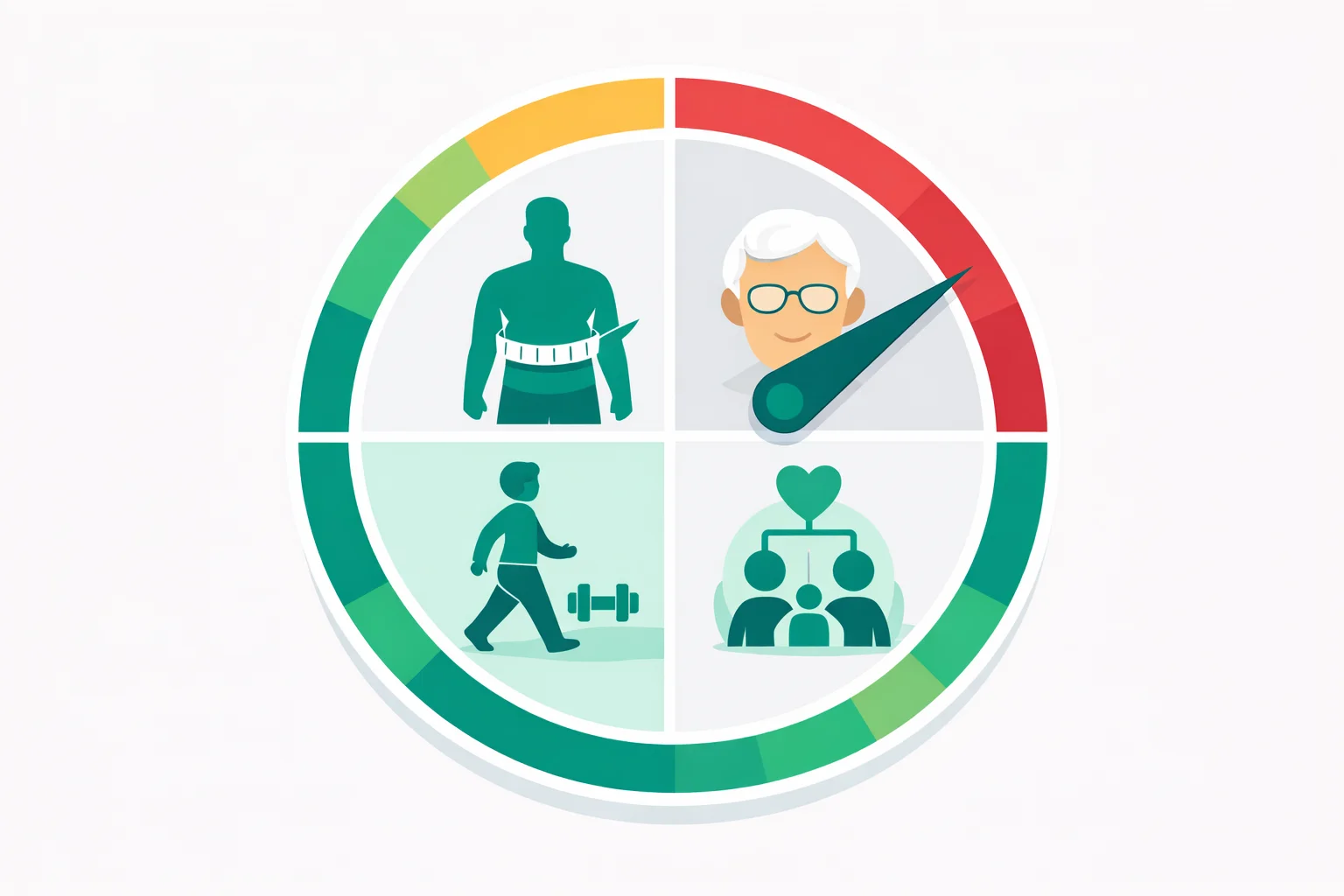
The Prediabetes Argument Splitting Doctors
Here's the case for screening. The CDC estimates that roughly 98 million American adults have prediabetes — and more than 8 in 10 don't know it. Catch it at this stage and the trajectory is often reversible. Miss it, and a slow drift toward type 2 diabetes brings nerve damage, kidney disease, and a doubled risk of heart attack along for the ride. From this view, a quiz that flags your risk early is doing exactly what preventive medicine should.
The skeptics push back hard. In a widely cited BMJ analysis, researchers John Yudkin and Victor Montori argued that the prediabetes label medicalizes huge swaths of healthy people — most of whom, studies show, never progress to diabetes and some of whom revert to normal blood sugar on their own. Expand the definition far enough, the critics say, and you generate anxiety, unnecessary medication, and not much benefit. They're not wrong that the threshold is somewhat arbitrary; it's been redrawn more than once.
So who wins? Practically, the disagreement is less about whether you should know your blood sugar and more about what the number means once you do. A risk score doesn't hand you a disease — it hands you a reason to get a real test and a window to act. That reframing is the most useful thing this debate produces.
"Am I At Risk" and "Do I Have It" Are Two Different Questions
Most diabetes quizzes quietly answer only one of these, and people get confused as a result. Asking whether you're at risk for type 2 diabetes is a forecast — it weighs things like age, weight, and family history to estimate the odds you'll develop it down the road. Asking whether you already have diabetes is a present-tense question that depends on symptoms and, ultimately, blood sugar levels right now.
That's why this quiz is built in two layers. The first nine questions are risk factors — the slow-moving stuff. The last three ask about symptoms happening today: thirst, frequent urination, blurred vision, unexplained weight loss. If you flag two or more strong symptoms, the quiz overrides your risk-factor total and pushes you into the "high" band, even if you're young and slim. A 19-year-old with sudden, dramatic thirst and weight loss isn't a "low risk" case just because they lack the type 2 risk factors — they may be showing the first signs of type 1, which arrives fast and follows none of the usual rules.
How This Quiz Borrows From the FINDRISC and ADA Tests
The risk-factor half of this quiz isn't guesswork. It mirrors the structure of two validated tools. The ADA Diabetes Risk Test and the Finnish Diabetes Risk Score (FINDRISC), published by Lindström and Tuomilehto in the journal Diabetes Care in 2003, both score the same handful of inputs: age, body mass index, waist circumference, physical activity, daily vegetable and fruit intake, blood pressure history, and any past high glucose reading.
What surprises people is how much weight waist size and a prior high reading carry — often more than overall weight. The FINDRISC gives extra points for a previously detected high blood glucose because it's among the strongest single predictors of future diabetes. This quiz follows that logic: a single "flagged high once" answer moves your needle more than being a little overweight does. It's also why the quiz scores your waistline separately from your weight category — you can have a normal BMI and still carry the visceral fat that drives insulin resistance. If insulin resistance is on your mind, our PCOS symptoms quiz covers the same metabolic machinery from the hormonal angle.
The Symptoms People Explain Away for Years
The cruel thing about type 2 diabetes is how quiet it is. Research suggests it can be present for four to seven years before diagnosis, doing damage the whole time. The reason is that the early symptoms are all things you can pin on something else. Tired all the time? Blame work. Up twice a night to pee? Blame the evening tea. Vision a little blurry? Blame screens. Cut on your foot taking forever to heal? You barely noticed.
Individually, none of these scream "diabetes." Together, they form a pattern. The thirst-and-urination loop is the most telling: when blood sugar climbs past what the kidneys can reabsorb, the body dumps the excess glucose into urine and drags water out with it — so you pee more, get dehydrated, and drink more, on repeat. Question 10 of the quiz is built around catching exactly that loop, because it's the symptom people most reliably notice once it's pointed out to them.
There's one look-alike worth ruling out while you're here, because it produces two of the same complaints and travels with type 2 diabetes far more often than either gets credited for. Untreated obstructive sleep apnea causes the same bone-deep daytime fatigue, and it also drives people to the bathroom overnight — not from blood sugar, but because the repeated pressure changes of a collapsing airway trigger a hormone that tells the kidneys to produce urine. If you snore loudly and wake up unrefreshed however long you slept, run the sleep apnea risk quiz too. The two conditions worsen each other, and treating one while ignoring the other is a common reason blood sugar stops responding.
The Three Blood Tests That Actually Settle It
No quiz — not this one, not the ADA's — can diagnose diabetes. Only blood can. There are three tests, and it's genuinely useful to know what counts as what before you walk into an appointment:
| Test | Normal | Prediabetes | Diabetes |
|---|---|---|---|
| A1C (3-month average) | Below 5.7% | 5.7% – 6.4% | 6.5% or higher |
| Fasting glucose | Below 100 mg/dL | 100 – 125 mg/dL | 126 mg/dL or higher |
| Oral glucose tolerance (2-hr) | Below 140 mg/dL | 140 – 199 mg/dL | 200 mg/dL or higher |
The A1C is the one most doctors reach for first because it needs no fasting and reflects your average blood sugar over about three months rather than a single morning. A diagnosis usually requires two abnormal results on separate days, which is the system's built-in protection against a one-off fluke reading. If your quiz score is high, these are the numbers worth asking for by name.
Here's What You Can Actually Change
Look back at your category breakdown after the quiz. Some of it you can't budge — your age, your family history, the genes tied to your background. But the "Body & Metabolic" and "Lifestyle" bars are different. They're the levers, and they move more than most people believe. The Diabetes Prevention Program — one of the largest lifestyle trials ever run — found that participants who lost about 7% of their body weight and walked 150 minutes a week cut their progression to diabetes by 58%, beating the medication arm of the study. In adults over 60, the reduction hit 71%.
That doesn't require a dramatic overhaul. The highest-impact single change for most people is dropping sugary drinks. After that: a short walk after meals to blunt the post-meal blood sugar spike, and swapping refined carbs for fiber a few times a day. Because diabetes roughly doubles cardiovascular risk, these same habits protect your heart — a connection worth understanding if you also took our heart attack symptoms quiz. And if you developed gestational diabetes during pregnancy, your long-term risk is higher than average, which is part of why our pregnancy symptom quiz matters beyond the nine months. If your fatigue comes with dizziness and a racing heart whenever you stand up, though, blood sugar may not be the culprit at all — our POTS syndrome quiz checks for a circulation disorder that mimics these symptoms.
All 5 Risk Levels Explained
🟢 Low Risk. Few risk factors, no symptoms. Your odds of type 2 diabetes in the near term are genuinely small. The habits keeping you here — staying active, a reasonable waistline, real food — are the same ones that keep you here in a decade. A glucose check every few years after 45 is still worth doing.
🟡 Slightly Elevated Risk. A factor or two is nudging your number up — maybe age, a bit of extra weight, or a family link. Nothing alarming, no symptoms. This is the cheapest stage to intervene, because small course corrections now prevent big problems later. Treat it as a yellow light worth watching.
🟠 Moderate Risk. Several factors are stacking up. People in this band frequently have prediabetes without knowing it, since it rarely announces itself. The good news is that prediabetes is among the most reversible conditions in medicine — but only once you've measured the actual number. A blood test should be on your near-term calendar.
🔶 High Risk. Either your risk factors are heavily loaded or you're reporting symptoms that suggest blood sugar may already be elevated. A meaningful share of people here have undiagnosed diabetes. This isn't a diagnosis — it's a clear signal to stop guessing and get an A1C and fasting glucose drawn.
🔴 Very High Risk. Strong risk factors and active symptoms together — thirst, frequent urination, fatigue, blurry vision, or unexplained weight loss. This pattern warrants prompt medical attention. If extreme thirst comes with vomiting, rapid deep breathing, or confusion, that can signal a diabetic emergency and needs same-day urgent care, not a quiz.
What to Do With Your Score
A risk score is a starting line, not a finish line. If you scored low, you bought peace of mind and a baseline to compare against later. If you scored moderate or above, the single most valuable next move is the least dramatic one: book a blood test and ask for your A1C by name. Bring the symptoms and risk factors the quiz surfaced — that short list does half your doctor's triage for them. The prediabetes debate will keep raging in journals, but it doesn't change your move. Knowing your number, then acting on it, is the one thing both camps agree on.